
FemiCore: Probiotic Support for Women's Bladder and Urinary Health
FemiCore is a daily women's supplement that pairs five Lactobacillus probiotic strains with four botanicals. Its goal is to support the "good" bacteria that protect the vaginal and urinary tract, rather than only flushing out the bad ones.
This page explains what FemiCore is, how it is meant to work, what's inside each capsule, how to take it and what it costs. Looking for our verdict? Read the full FemiCore review.
- Form
- 1 capsule a day, with food
- Probiotics
- L. crispatus, L. acidophilus, L. plantarum, L. gasseri, L. casei
- Botanicals
- Cranberry extract, uva ursi, berberine, mimosa pudica
- Made for
- Adult women with bladder urgency or recurring UTIs
- Price
- From $49 per bottle
- Guarantee
- 60-day money-back

What is FemiCore?
FemiCore is a dietary supplement made for women who deal with bladder urgency, frequent trips to the bathroom, leaks or urinary tract infections that keep coming back. It is sold online as a once-daily capsule.
Many women find FemiCore after a frustrating cycle. A UTI is treated with antibiotics, it clears, and a few weeks or months later it's back. Cranberry juice, D-mannose or cutting out coffee help a little, but not for long. FemiCore takes a different angle: it focuses on the bacterial balance of the vaginal and urinary tract, which research increasingly links to bladder health.
FemiCore is meant to work alongside, not instead of, medical care. It is not a treatment for an active infection, and it has not been evaluated by the FDA to diagnose, treat or prevent any disease.
How FemiCore works
A healthy vaginal microbiome is usually dominated by Lactobacillus bacteria, especially Lactobacillus crispatus. These bacteria make lactic acid, which keeps vaginal pH low, around 3.8 to 4.5. That acidic environment makes it harder for E. coli, the bacteria behind most UTIs, to settle near the urethra and travel into the bladder.
Researchers have also found that the bladder has its own small community of bacteria, and that women with urgency incontinence often have a different mix than women without symptoms. FemiCore is built around this idea and works in three ways:
- Adds protective bacteriaFive Lactobacillus strains, chosen for vaginal and urinary health rather than digestion alone, help restore lactic-acid-producing flora.
- Makes it harder for E. coli to stickCranberry proanthocyanidins (PACs) can stop E. coli from attaching to the bladder wall, so it's easier to flush out.
- Supports the wider environmentUva ursi, berberine and mimosa pudica add urinary, antibacterial and digestive support, since gut health also shapes the vaginal microbiome.
Things that often upset this balance include antibiotics, lower estrogen around menopause, sex, spermicides, harsh soaps and stress. That is why FemiCore is often considered after a course of antibiotics or during perimenopause.
FemiCore ingredients
Each FemiCore capsule contains nine ingredients: five probiotic strains and four plant-based extracts. Here is what each one does. For a deeper look at the research, doses and safety of each one, read our complete FemiCore ingredients guide.

Probiotic strains
Lactobacillus crispatus
The cornerstone strain. It is the most common protective bacterium in a healthy vaginal microbiome and produces lactic acid and hydrogen peroxide to keep pH low.
Lactobacillus acidophilus
A well-known probiotic that produces lactic acid and helps crowd out unwanted bacteria in the gut and vaginal tract.
Lactobacillus plantarum
A particularly hardy strain that survives stomach acid well, so more live bacteria reach the intestine.
Lactobacillus gasseri
Naturally found in the vaginal tract. It works alongside L. crispatus to maintain an acidic, protective environment.
Lactobacillus casei
Supports immune function and microbiome diversity, helping the flora stay stable through stress or diet changes.

Botanicals
Cranberry extract
Standardized for proanthocyanidins (PACs), the compounds that help stop E. coli from clinging to the urinary tract wall.
Uva ursi (bearberry)
Contains arbutin, which becomes a natural antimicrobial compound in the urine. Traditionally used for urinary comfort.
Berberine
A plant compound with antibacterial properties. Early research suggests it may influence bladder muscle activity.
Mimosa pudica
Traditionally used for digestive health. Included to support the gut, which is closely connected to vaginal flora.
How to take FemiCore
Take one capsule a day with a glass of water, ideally with breakfast. Food helps buffer the probiotic strains through stomach acid. Try to take it at the same time every day, especially in the first month.
If you are currently on antibiotics, finish the full course before starting. Antibiotics can kill probiotic bacteria before they have a chance to settle.
Supportive habits make a difference too: drink enough water, don't hold urine for long, pee after sex, and avoid douches and harsh soaps that disturb vaginal pH.
What to expect
- Week 1Little noticeable change. Some women have mild bloating while the gut adjusts.
- Weeks 2–4Probiotic strains settle in. Some women notice slightly less urgency.
- Weeks 4–8The window when most women can judge whether FemiCore is helping.
- Months 3–6The period the manufacturer recommends for a full trial.
Is FemiCore safe?
Probiotics are well tolerated by most healthy adults. A few of FemiCore's botanicals call for extra care. Uva ursi is generally recommended for short-term use, and berberine can interact with diabetes, blood pressure and other medications.
Talk to your doctor before taking FemiCore if you are pregnant or breastfeeding, have kidney or liver disease, have a weakened immune system or take prescription medication. Read the full breakdown in our FemiCore side effects guide.
FemiCore price
FemiCore is sold in three packages through the official order page. Prices below were checked on October 8, 2026 and may change.
2 bottles
60-day supply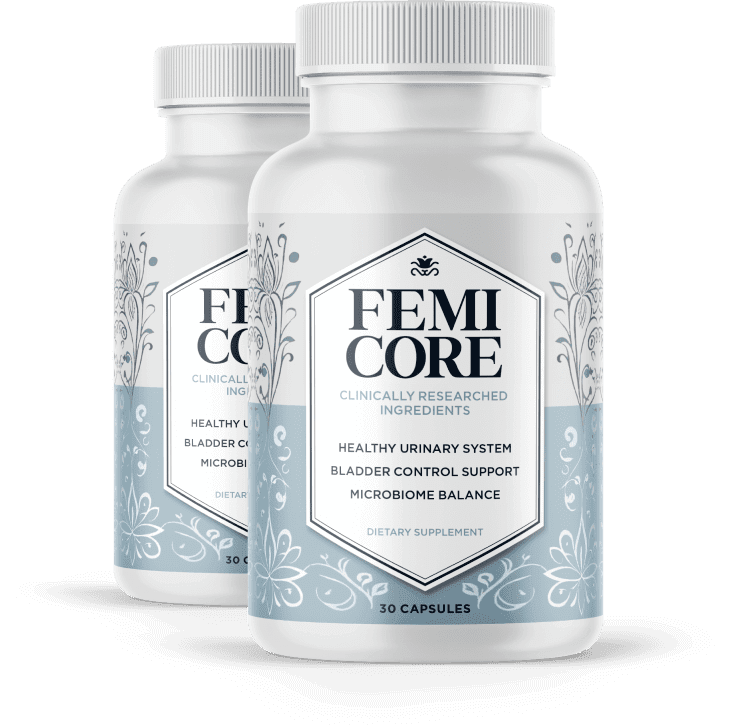
- Total $158 + $9.99 shipping
- 60-day money-back guarantee
3 bottles
90-day supply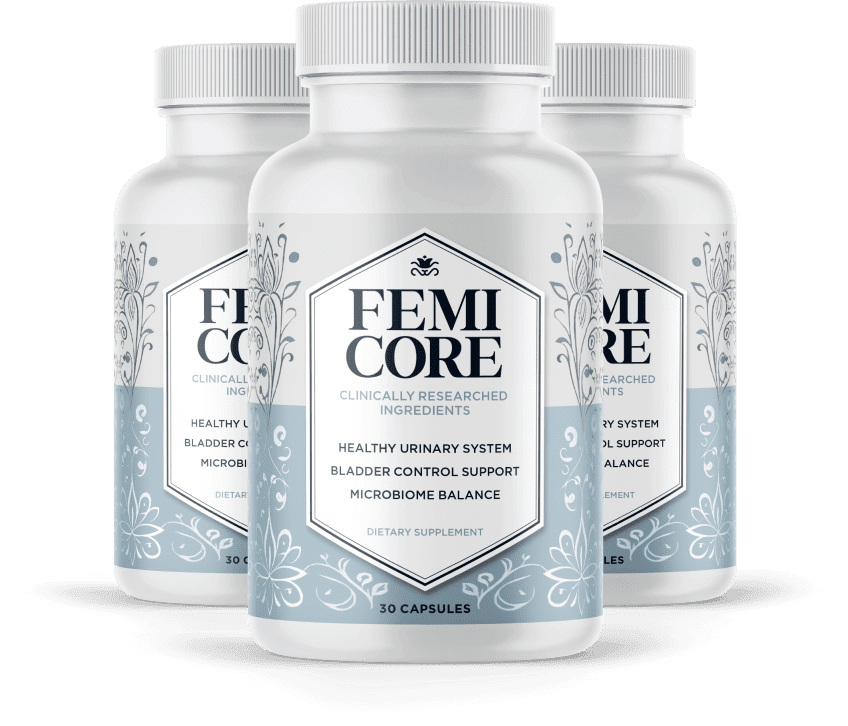
- Total $207, free shipping
- Bonus items included
- 60-day money-back guarantee
6 bottles
180-day supply
- Total $294, free shipping
- Bonus items included
- 60-day money-back guarantee

60-day money-back guarantee
Every FemiCore order is covered by a 60-day money-back guarantee. That gives you enough time to reach the 8-week mark, when most women can tell whether it's making a difference. Orders are processed by ClickBank, which handles refund requests.
Keep your order confirmation email and set a reminder for around day 50 so you have time to decide.
FemiCore FAQ
What is FemiCore?
FemiCore is a once-daily capsule for women that combines five Lactobacillus probiotic strains with cranberry extract, uva ursi, berberine and mimosa pudica. It is designed to support the vaginal and urinary microbiome, bladder comfort and urinary tract health.
How do you take FemiCore?
Take one capsule a day with a glass of water, ideally with breakfast. Food helps protect the probiotic strains as they pass through stomach acid. Take it at about the same time each day.
Where can I buy FemiCore?
FemiCore is sold through its official order page. Buying there is the only way to be covered by the 60-day money-back guarantee, so be cautious with listings on marketplaces or other websites.
How much does FemiCore cost?
As of October 2026, FemiCore costs $79 per bottle for 2 bottles, $69 per bottle for 3 bottles and $49 per bottle for 6 bottles. The 3- and 6-bottle packages include free shipping.
Can FemiCore treat a UTI?
No. FemiCore is a dietary supplement, not a treatment for an active infection. If you have burning, fever, back pain or blood in your urine, see a doctor.
Who should not take FemiCore?
Pregnant or breastfeeding women, anyone under 18, people with kidney or liver disease or a weakened immune system, and anyone taking diabetes, blood pressure or blood-thinning medication should check with a doctor first.
Is FemiCore worth it?
We rated every ingredient against published research, looked at the safety questions the sales page skips, and compared FemiCore with cranberry, D-mannose and other options.